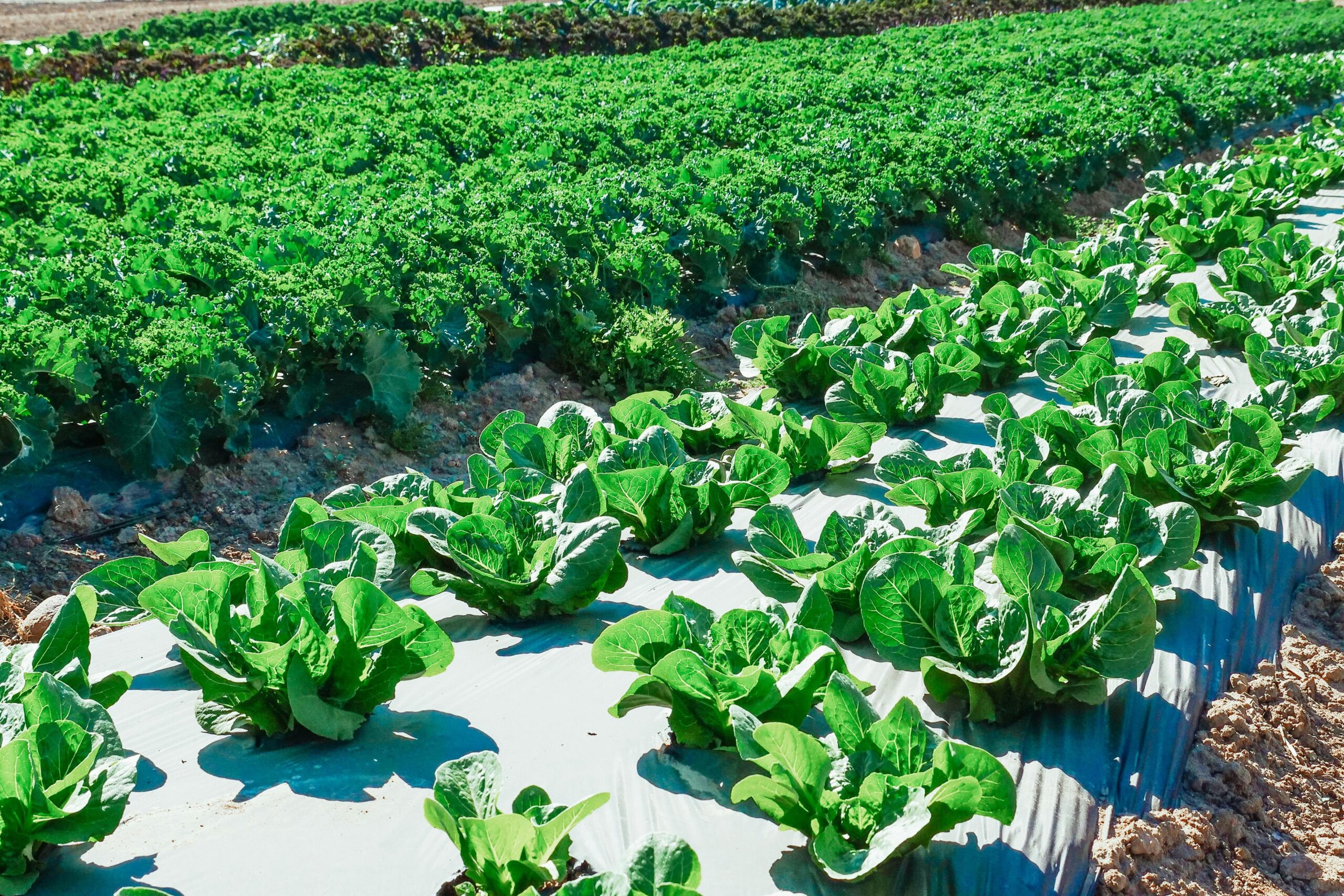
In recent years, sustainable farming practices have gained significant attention as a solution to the environmental challenges posed by traditional agricultural methods. These practices not only contribute to the health of our planet but also promote the well-being of communities and the economy. By adopting sustainable farming techniques, farmers can enhance the quality of their soil, increase biodiversity, and ultimately yield healthier crops.
One of the core principles of sustainable farming is the focus on healthy soil. Soil is a living ecosystem, and its health directly impacts the productivity of crops. Techniques such as crop rotation, cover cropping, and reduced tillage help maintain soil structure and fertility. Crop rotation involves alternating different crops in the same field across seasons, which can prevent soil depletion and reduce pest populations. Cover crops, like clover or rye, are planted during off-seasons to protect and enrich the soil, while reduced tillage minimizes soil disturbance, preserving its organic matter.
Another vital aspect of sustainable practices is fostering biodiversity. When farmers diversify their crops and incorporate native plants, they help create habitats for various species, from pollinators to beneficial insects. These organisms play crucial roles in pest control, pollination, and maintaining the overall health of the ecosystem. Implementing integrated pest management (IPM) strategies can also minimize reliance on chemical pesticides, further promoting biodiversity.

Water conservation is another critical element of sustainable farming. Farmers are increasingly adopting techniques like drip irrigation, which delivers water directly to the plant roots, minimizing waste and reducing water use. Additionally, rainwater harvesting and the use of organic mulch can further enhance water retention in the soil.
Moreover, sustainable farming practices contribute to carbon sequestration, helping to mitigate climate change. By storing carbon in the soil through practices like agroforestry and no-till farming, farmers can play a significant role in reducing greenhouse gas emissions.
In conclusion, sustainable farming practices are not just a trend; they are essential for the future of agriculture. By implementing techniques that promote healthy soil, biodiversity, and water conservation, farmers can ensure that their practices are both environmentally friendly and economically viable. As consumers, we can support these efforts by choosing locally sourced and sustainably produced food, helping to foster a healthier planet for generations to come.



Comment (5)
James Brown
Very informative! I never knew about the benefits of cover cropping until now.
Sarah Wilson
Thanks for sharing these tips! I will definitely look into crop rotation for my vegetable patch.
Emily Davis
I’m so glad to see more attention being paid to sustainable practices. We need to protect our environment.
Alice Johnson
Great insights on sustainable farming! I’ve started implementing some of these practices in my backyard garden.
Mark Smith
This is a must-read for all farmers. Biodiversity is crucial for a sustainable future!