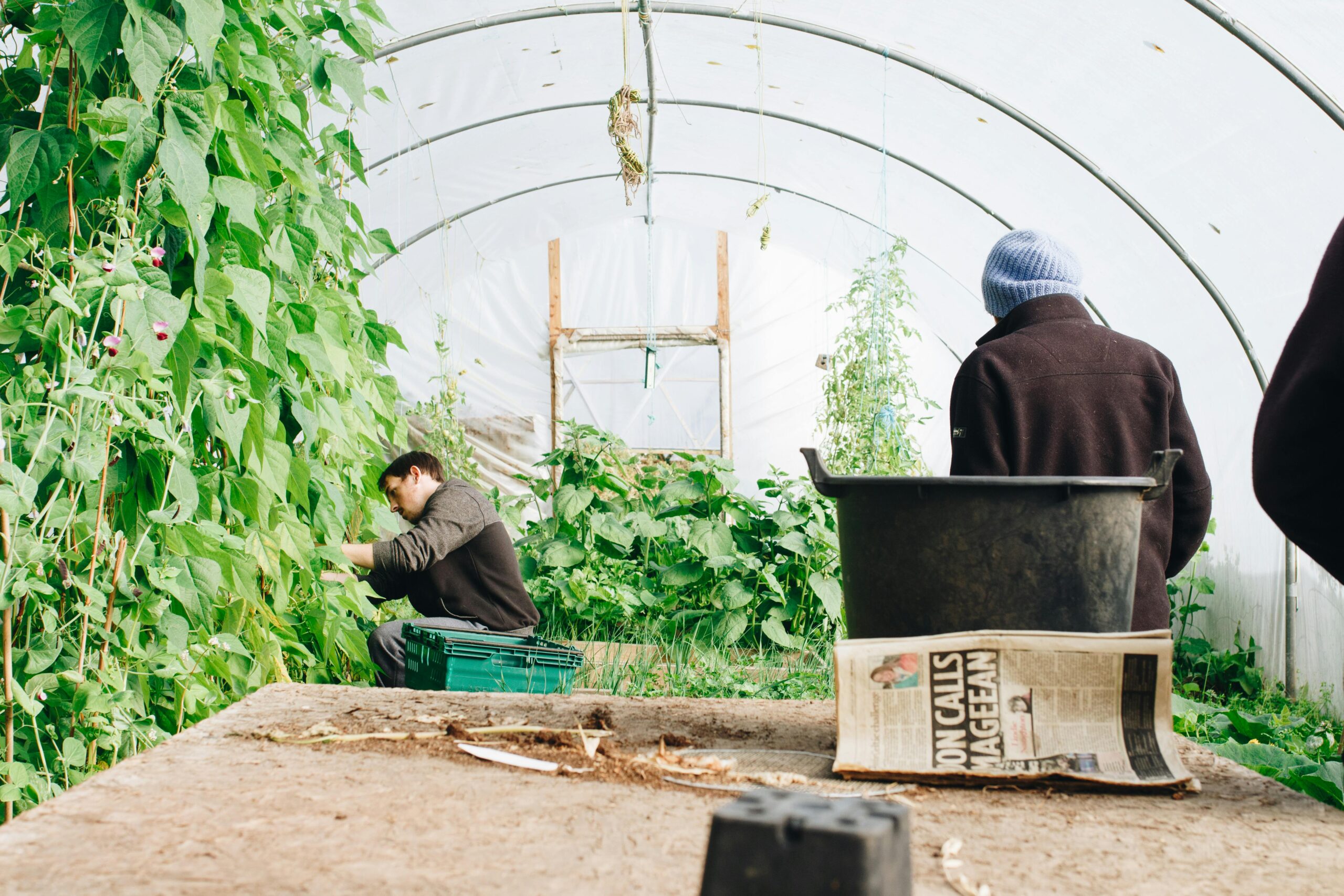
Harvesting vegetables is not just about picking them off the plant; it’s an art and a science that can significantly impact flavor, freshness, and nutritional value. Whether you are a novice gardener or a seasoned expert, understanding the best practices for harvesting can ensure that you enjoy the fruits of your labor at their peak.
Timing is of the essence when it comes to harvesting. Vegetables should be picked at their peak ripeness for the best flavor. For instance, tomatoes should be harvested when they are fully colored and slightly soft to the touch, while cucumbers should be picked when they are firm but not overripe. Regularly checking your plants for readiness will help you avoid missed harvests or overripe produce, both of which can affect taste and texture.
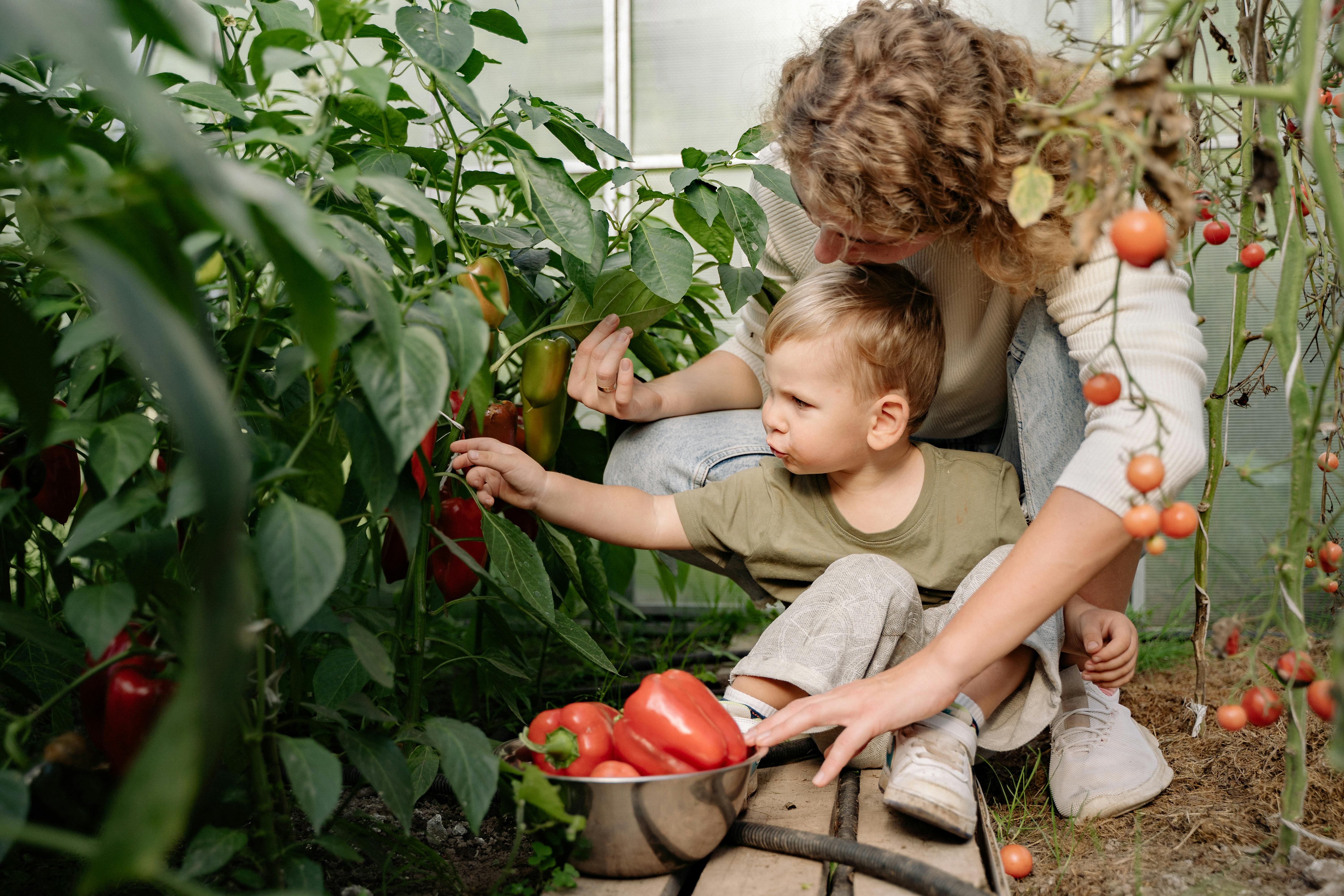
Another crucial aspect of harvesting is the technique you use. For leafy greens like lettuce and spinach, it’s best to cut the leaves rather than pulling them from the plant. This promotes continued growth and allows for multiple harvests from the same plant. On the other hand, root vegetables like carrots and beets should be carefully pulled from the soil, ensuring you don’t damage them. Using a garden fork to loosen the soil around them can make this process easier.
Post-harvest handling is equally important. After harvesting, vegetables should be handled gently to prevent bruising. It’s advisable to harvest during the cooler parts of the day, either early in the morning or late in the afternoon, to minimize stress on the plants. Immediately after harvesting, wash your vegetables gently to remove any dirt and pests, and store them properly to maintain their freshness. Some vegetables, like peas and beans, are best stored in a cool, dark place, while others, like tomatoes, should be left at room temperature to develop their flavor.
Lastly, remember that sustainability is key. Always practice responsible harvesting by leaving some vegetables on the plant to ensure future crops. This not only helps your garden thrive but also supports local ecosystems and encourages pollinators.
By understanding these best practices, you can maximize the flavor and freshness of your vegetables, ensuring that each harvest is as rewarding as possible. Happy harvesting!



Comment (3)
Linda Carter
This article really highlights the importance of timing in harvesting. I can’t wait to try these techniques in my garden!
Mark Stevens
I never thought about using a garden fork for root vegetables. Thanks for the insight!
Emily Johnson
Great tips! I’ve been struggling with my tomato plants, so I appreciate the advice on when to pick them.