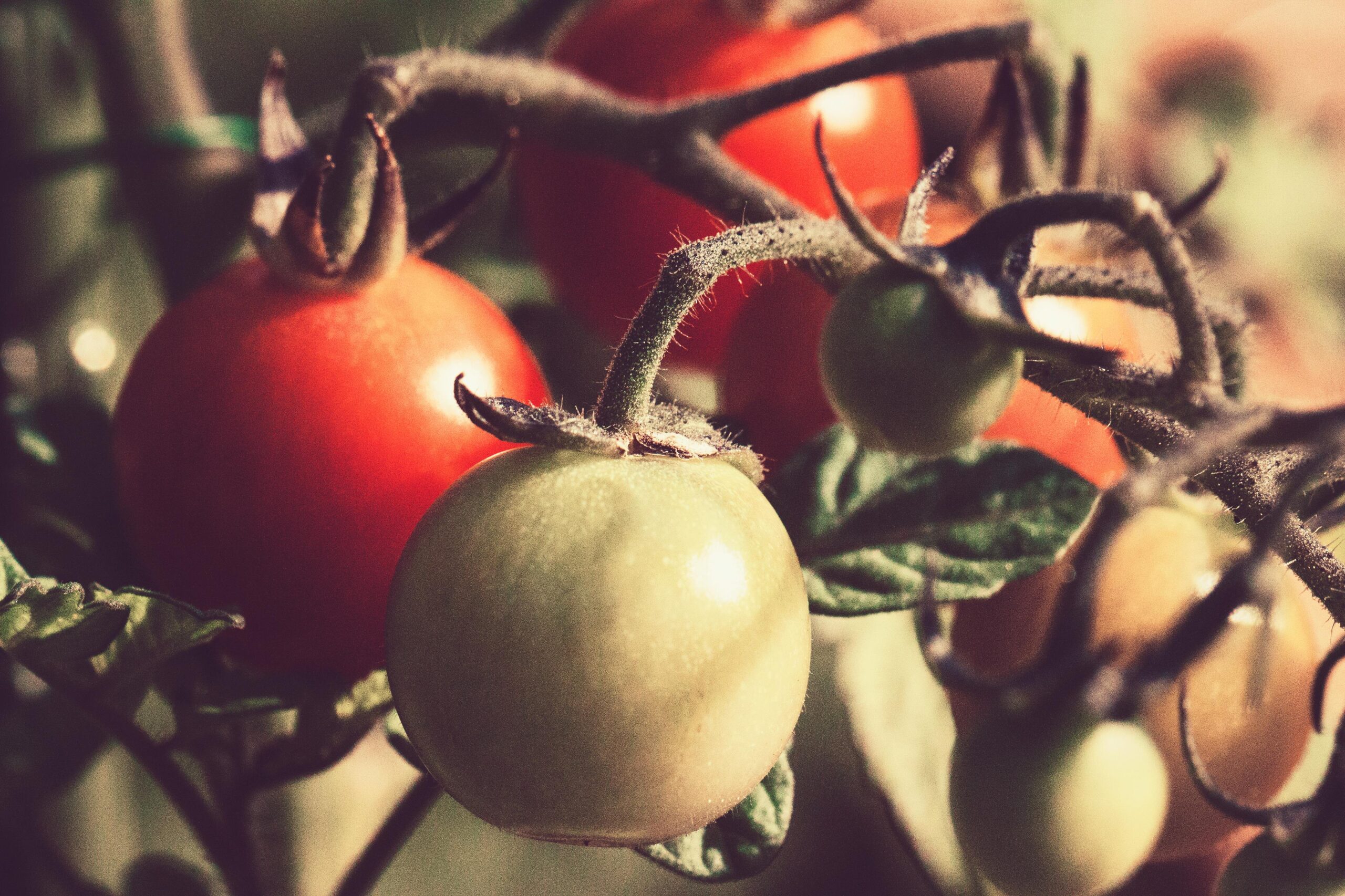
Growing your own vegetables can be a rewarding experience, but it often comes with its own set of challenges, particularly when it comes to pest management. Many home gardeners are concerned about the use of harmful chemicals that can not only affect the environment but also the quality of the food produced. Fortunately, there are effective methods for managing pests in your vegetable garden without resorting to harsh chemicals.
One of the most natural ways to control pests is through the use of companion planting. This technique involves planting different types of vegetables and flowers together that can help deter pests. For instance, marigolds are known to repel nematodes and other harmful insects, making them a great companion for your tomatoes. Similarly, basil can help keep aphids and mosquitoes away from your vegetable plants. By planning your garden layout with companion planting in mind, you can create a more balanced ecosystem that naturally reduces pest populations.
Another method to consider is the use of physical barriers. Row covers, nets, and even simple screens can protect your plants from insects while allowing light and rain to nourish them. These barriers are especially effective for seedlings that are susceptible to pests. Additionally, handpicking larger insects, such as slugs or caterpillars, can also be an effective and chemical-free way to manage pests.
Natural predators can play a crucial role in pest management. By attracting beneficial insects such as ladybugs, lacewings, and predatory wasps, you can reduce the need for chemical interventions. These natural predators can help keep aphid populations in check and reduce the likelihood of pests overrunning your garden.
Finally, maintaining healthy soil through organic practices can make your plants more resilient to pest attacks. Healthy, nutrient-rich soil produces stronger plants that are better able to withstand pest pressures. Consider incorporating organic compost, crop rotation, and mulching as part of your gardening routine.
In conclusion, managing pests in your vegetable garden doesn’t have to involve harmful chemicals. By utilizing companion planting, physical barriers, attracting natural predators, and maintaining healthy soil, you can create a thriving vegetable garden that is safe for both your family and the environment.



Comment (5)
Jane Smith
Love the idea of attracting beneficial insects! Any specific plants you recommend?
Emily Johnson
Thanks for sharing these methods! I’m trying to go organic this year.
Sarah Davis
Can you write more about organic soil practices? That would be helpful!
John Doe
Great tips! I’ve started using companion planting and have noticed a difference.
Michael Brown
I never thought about using physical barriers. I’ll definitely try that!